Leak Detection in Union, NJ
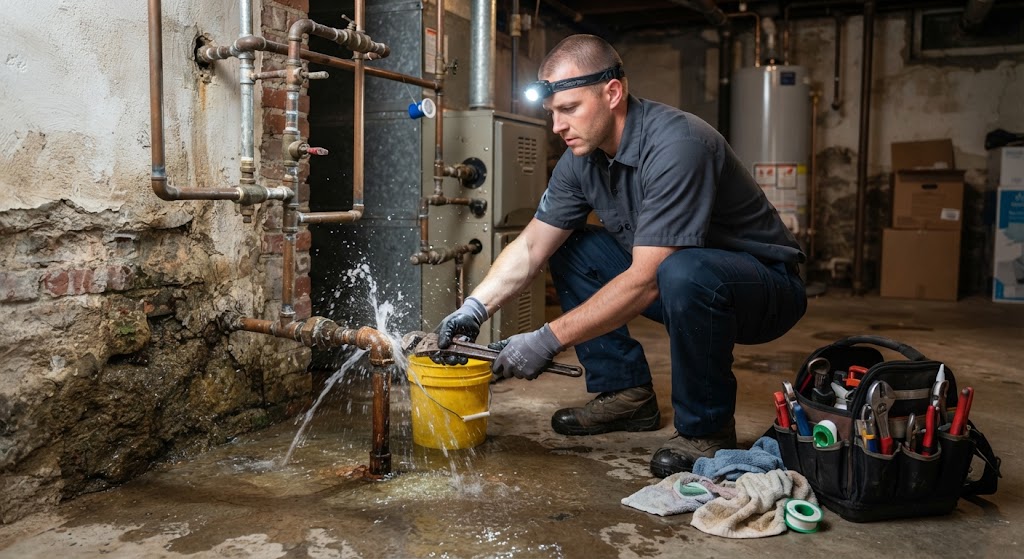
Finding the source of hidden water leaks, basement leaks, and pipe leaks across Union Township. We use non-invasive acoustic and thermal pinpointing before walls or floors are opened.
Why Accurate Leak Pinpointing Matters
When a homeowner notices an unexplained sign of water—whether it's a damp spot on drywall, a rising water bill, or water pooling in the basement—the immediate concern is often the extent of the damage and the cost of repair. However, the most critical first step is uncertainty about the exact source. In many older Union homes, plumbing is concealed behind finished walls, beneath concrete basement floors, or buried underground.
Guessing where a leak originates can lead to unnecessary demolition. Tearing open walls or breaking concrete only to find the leak is somewhere else is a costly and disruptive mistake. Our hidden water leak detection approach relies on technical investigation using acoustic listening devices, thermal imaging, and moisture mapping to identify the exact location of the failure.
Common Warning Signs in Union Homes
The housing stock in areas like Union Center, Vauxhall, and Connecticut Farms often features older copper lines, galvanized plumbing, and aging service lines. These systems are susceptible to corrosion, pinhole leaks, and failures related to winter freeze/thaw conditions. You might notice:
- Unexplained spikes in your municipal water bill.
- The water meter continuing to run even when all fixtures are turned off.
- Musty odors or mold-like smells in basements or lower levels.
- Stains spreading across ceilings directly beneath upper-floor bathrooms.
- Warm spots on the floor, potentially indicating a hot water supply leak.
Our Core Diagnostic Services
Basement Leaks
Determining whether water in your basement is due to a failed supply line, a leaking water heater, or groundwater intrusion. Accurate diagnosis prevents misdirected repairs.
Read about basement leak detection →Pipe Leak Repair
Addressing pinhole leaks, corroded copper, and burst pipes. We diagnose the failure and provide informed repair solutions for aging plumbing systems.
Read about pipe repair →Water Line Leaks
Locating leaks on underground service lines between the street and your home. Essential for addressing sudden drops in pressure or unexplained yard pooling.
Read about water line detection →Sewer Line Issues
Using camera inspection to find cracks, root intrusion, or collapses in older clay or cast iron sewer laterals before recommending excavation.
Read about sewer line detection →Shower & Bathroom
Distinguishing between failed shower pans, leaking valves, poor grout, and active plumbing leaks behind bathroom tiles or fixtures.
Read about bathroom leak detection →Emergency Situations
Rapid response guidance for active burst pipes and sudden flooding. We help you take control of the situation and mitigate damage.
Read about emergency repair →Local Context: Plumbing Challenges in Union
Union's proximity to major routes like the Garden State Parkway and Route 22 means a dense variety of residential properties, from historic homes in Putnam Manor to mid-century developments near Five Points. Many of these properties rely on original plumbing infrastructure that has endured decades of use and New Jersey's fluctuating climate.
When winter temperatures drop, poorly insulated pipes in crawlspaces or exterior walls can freeze and burst. Conversely, aging galvanized pipes slowly corrode from the inside out, eventually leading to reduced water pressure and concealed leaks. By understanding the specific age and construction of your property, we can more effectively narrow down the potential causes of moisture intrusion.
What to do if you suspect a leak
If you have an active, visible leak, your first priority should be safety. If it is safe to do so, locate and shut off your main water valve to stop the flow of water. Keep everyone away from wet areas, especially if electrical outlets or appliances are nearby. Do not attempt to move belongings in flooded basement areas until the power is confirmed off and the area is secure.
Once the immediate danger is mitigated, or if you simply suspect a slow, hidden leak, contact a specialist. We will discuss the symptoms you are observing and explain the next steps for a thorough investigation.