Hidden Water Leak Detection in Union, NJ
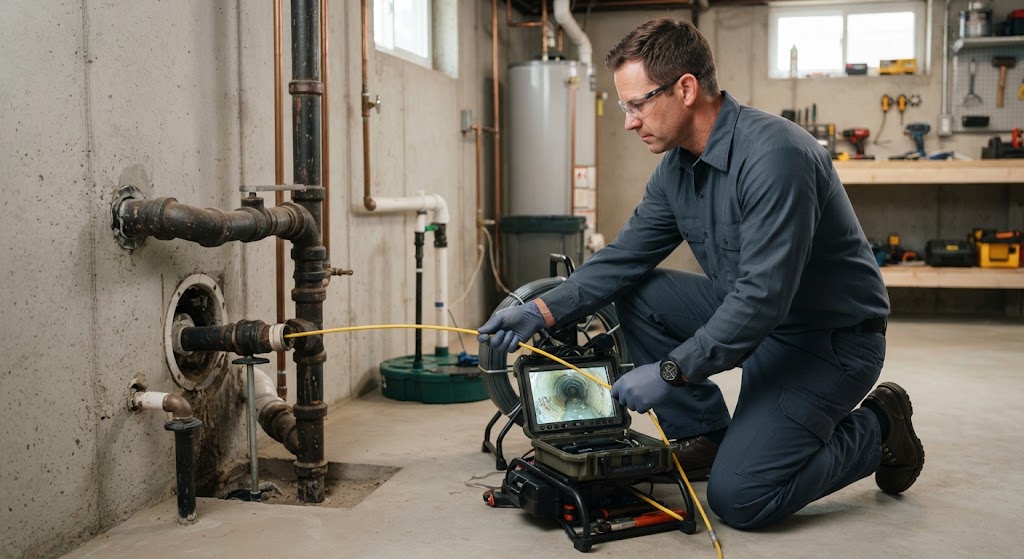
When water begins damaging your home but the source is completely out of sight, it creates immense frustration. In areas like Union Center, Vauxhall, and surrounding neighborhoods, many properties feature plumbing systems that have been enclosed behind drywall, beneath hardwood floors, or buried in concrete slabs for decades. When these pipes develop pinhole leaks or joint failures, the water can travel significant distances before becoming visible to the homeowner.
Our approach to water leak detection Union NJ focuses entirely on non-destructive pinpointing. Rather than simply breaking open walls where water stains appear, we utilize advanced diagnostic equipment to trace the actual origin of the failure. This methodology saves property owners from unnecessary demolition, excess repair costs, and the disruption of a torn-apart home.
Symptoms of Concealed Water Leaks
Because the pipes are hidden, the initial indicators are often subtle. You might begin to notice structural changes or financial anomalies long before you see standing water. Pay close attention to these common indicators:
- Financial Indicators: Your municipal water bill increases dramatically without a corresponding change in household usage, or your water meter indicator continues to spin even after all interior and exterior fixtures are securely shut off.
- Visual Damage: Drywall may begin to bubble, peel, or feel unusually soft to the touch. Baseboards might warp or pull away from the wall. You may also notice unexplained brown or yellow stains developing on ceilings directly below second-floor bathrooms.
- Auditory Clues: In quiet environments, you might hear a faint, continuous hissing or rushing sound originating from within a wall cavity, even when no water is running in the house.
- Temperature Fluctuations: Unusually warm areas on your floor, particularly near water heaters or main supply lines, can strongly indicate a failure in a hot water pipe beneath the surface.
How Our Diagnostic Process Works
We do not guess. Our inspection process relies on technical evidence gathered through specialized equipment. By combining multiple data points, we can zero in on the precise location of the failure.
Acoustic Leak Detection
Pressurized water escaping from a cracked pipe or failed fitting creates distinct high-frequency sound waves. These vibrations travel through the pipe material and the surrounding structure. Using highly sensitive acoustic listening devices, we can isolate these frequencies, filtering out ambient background noise to pinpoint the exact area of the rupture, whether it is behind a finished wall or under a concrete floor.
Thermal Imaging and Moisture Mapping
Water inherently changes the temperature dynamics of the building materials it touches. Infrared thermal imaging cameras allow us to visualize these slight temperature variations behind walls and ceilings, effectively showing us the path the moisture is taking. We follow up by utilizing advanced moisture meters to measure the exact saturation levels in drywall, wood, and masonry, mapping the perimeter of the hidden damage.
Do You Suspect a Hidden Leak?
If your water meter is running or you are seeing unexplained moisture damage in your home, timely investigation is critical to prevent mold growth and structural rot.
Call a Specialist: (201) 510-1615